CAMPED AT · Florida Panhandle
St. Andrews State Park
A park journal.
Panama City Beach · Florida
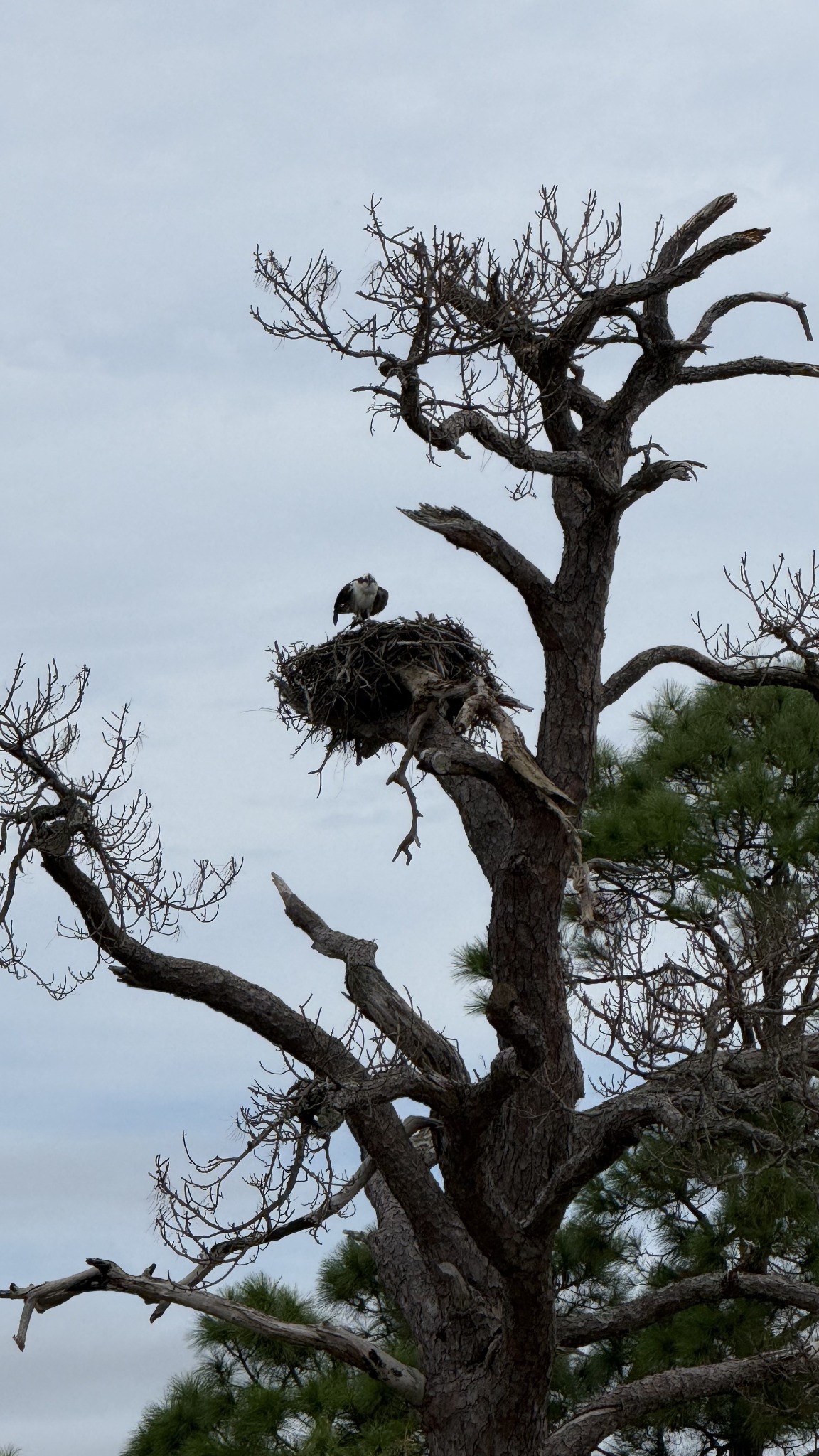
9 photographs
Photographs and practical notes from a place along the way.
ABOUT THE PARK / OFFICIAL SOURCES
A sense of place.
FROM OUR PHOTOGRAPHS
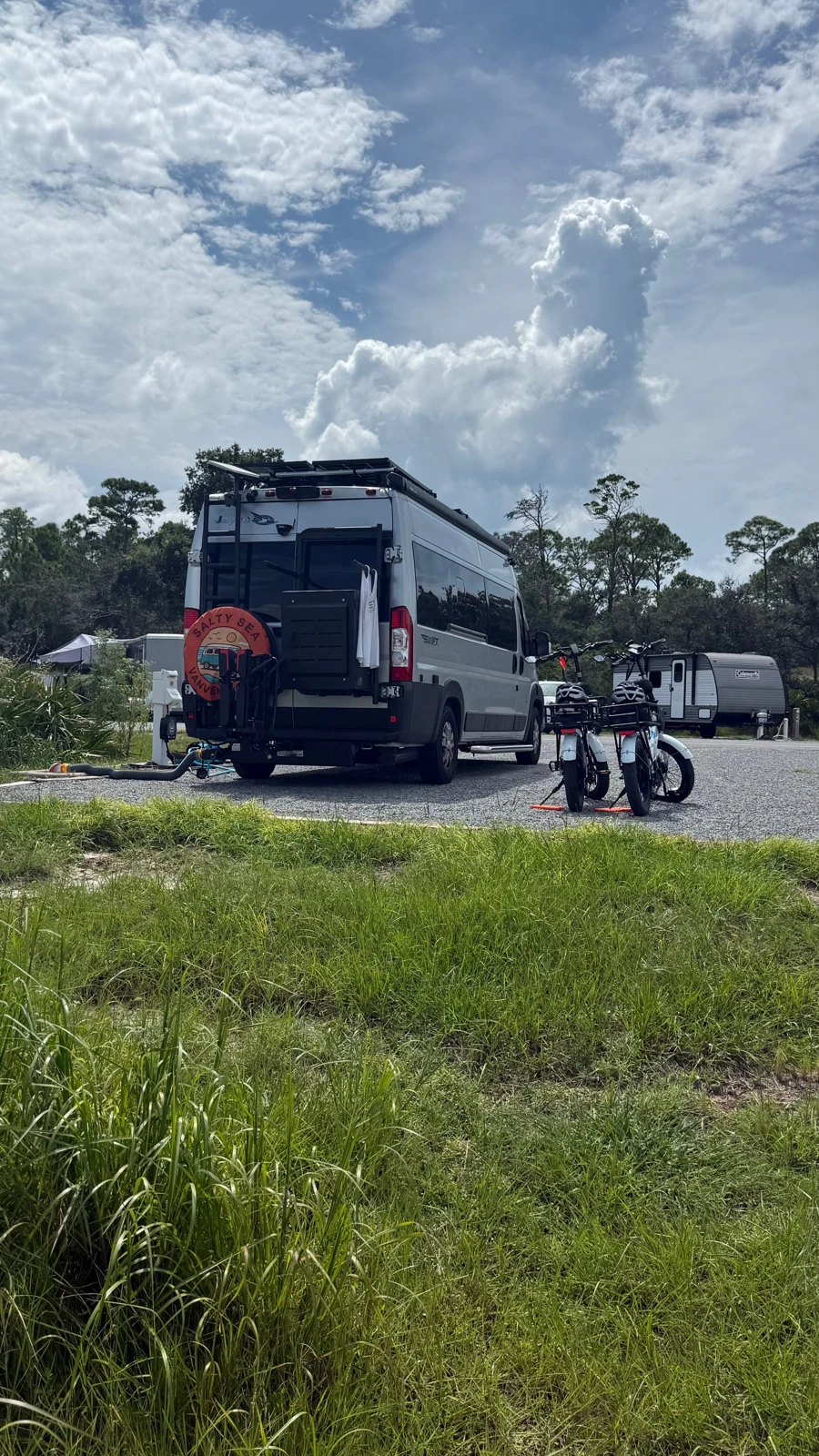
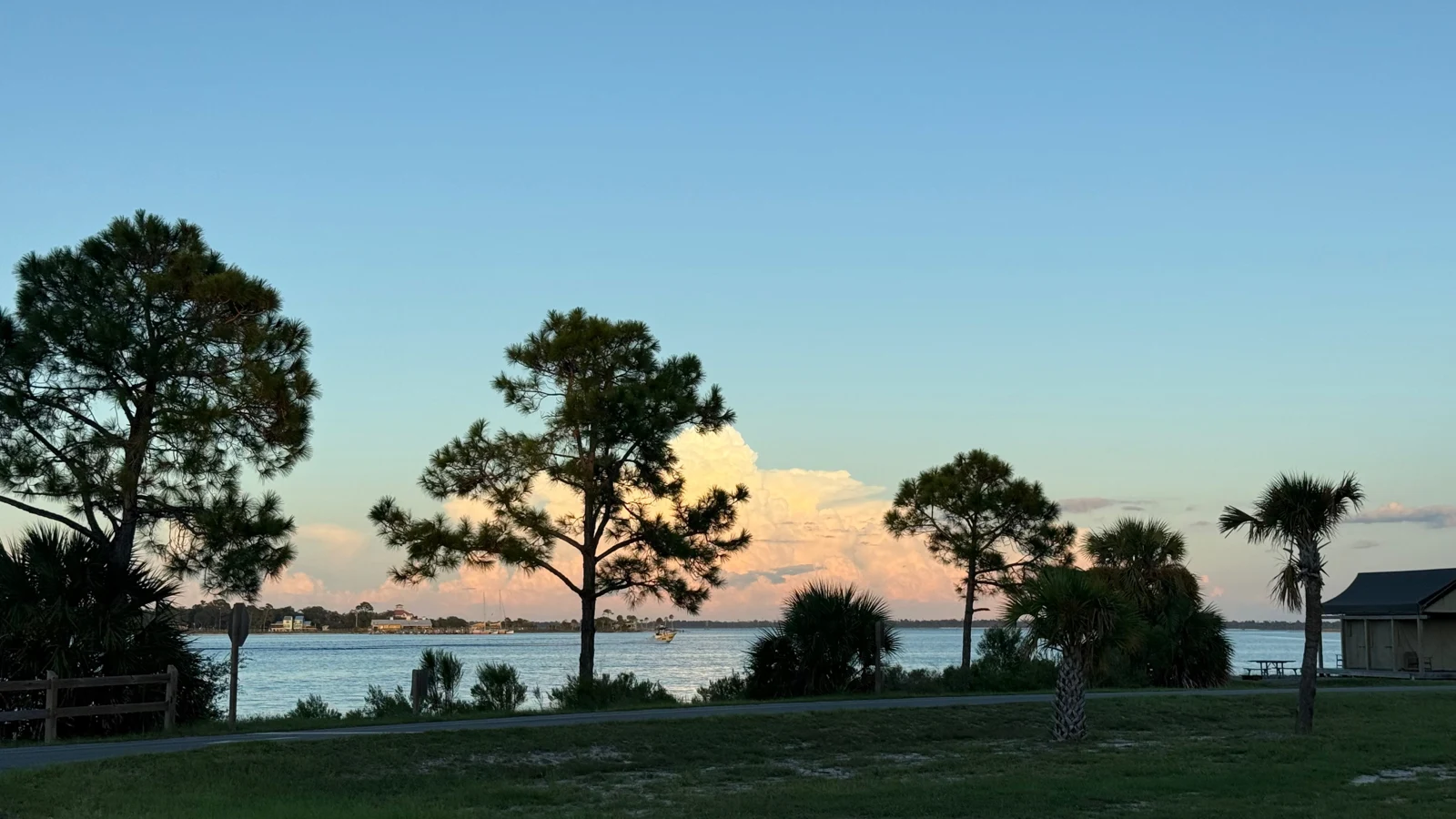
A closer look.
GENERAL PLANNING ADVICE
Sarah’s park notes.
Planning notes from Sarah. Campsite conditions, access and amenities can change; check the current park information before your visit.
These are general planning notes, not a day-by-day account of our stay. Read the dated official information below alongside this advice.
01 / SARAH’S NOTES
Highlights
The park is memorable for its pristine sugar-white sands and emerald-green waters situated between the Gulf of Mexico and St. Andrews Bay. Highlights include its rich history, such as Norwegian sailor Theodore “Teddy” Tollofson shipwrecking there during a 1929 hurricane and living in his damaged boat for 25 years. The park offers incredible opportunities for swimming, surfing, shell collecting, and snorkeling along the rock jetties. Visitors can also spot diverse wildlife, including deer at dawn and dusk, migratory birds, butterflies, and alligators at Gator Lake, as well as take seasonal boat tours to the undeveloped Shell Island when operating.
02 / SARAH’S NOTES
Camping notes
What works well includes the campground featuring level gravel sites with full hookups (water and 30/50-amp electricity), updated bathhouses with hot showers, laundry facilities, and options for glamping tents. Many sites offer peaceful waterfront views along the Grand Lagoon, and there is a central community area with cornhole, a giant checkerboard, and a fire pit. Challenges include a severe lack of shade at many rebuilt sites, intense summer heat, and bumpy park roads with potholes. Additionally, campsites can be somewhat narrow or tight, jellyfish can be problematic during certain seasons, and strict rules require all equipment to remain on designated gravel pads.
03 / SARAH’S NOTES
Before you go
Be sure to book reservations well in advance, as waterfront sites fill up quickly. Florida residents can reserve up to 11 months ahead and nonresidents up to 10 months. Bring your own shade structures, sunblock, and hydrate thoroughly due to the intense sun and lack of shade. If arriving after sunset, contact the park before it closes to arrange after-hours access through the security gates. Bring a snorkel mask and dive flag to explore the jetties, watch out for hot pavement when walking pets, and drive slowly on the bumpy park roads.
OFFICIAL INFORMATION / SEPARATE FROM OUR VISIT AND SARAH’S NOTES
Plan your own visit.
Current official park information (opens in a new tab)Reviewed
For arrival after sunset, contact the park before it closes for access instructions. Check current site amenities and boat-tour availability.
Information can change. Follow the park or operator’s latest instructions before travelling.
KEEP EXPLORING